In short. Auschwitz was a German Nazi concentration and extermination camp, established in June 1940 near the town of Oświęcim in occupied Poland. From 1941 to 1942 a second camp was built at Birkenau, and from 1942 the complex became the largest of the extermination centres. At least 1.3 million people were deported there, and at least 1.1 million of them were murdered. The Red Army liberated the camp on 27 January 1945.
Tours and tickets in Krakow
Auschwitz-Birkenau: guided tour with transport from Krakow, English
4.5· 206 reviews
from €49.50
Book tickets and tours →How did the camp begin?
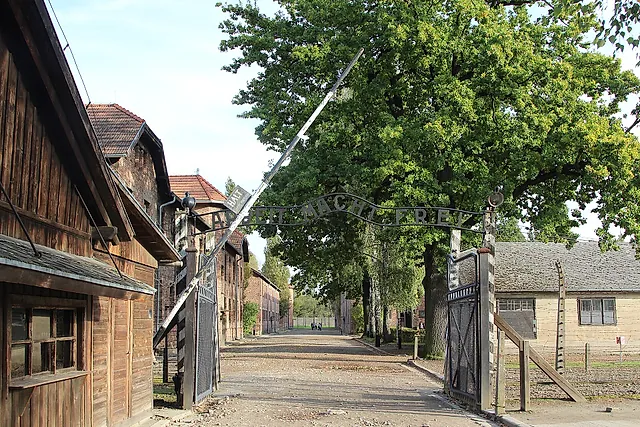
The camp was established in June 1940. The first transport arrived on 14 June 1940 and carried 728 Polish political prisoners from the town of Tarnów. Until 1942 most of the prisoners were Poles. The camp is now called Auschwitz I, and it is the place where most visits begin.
What was Birkenau?
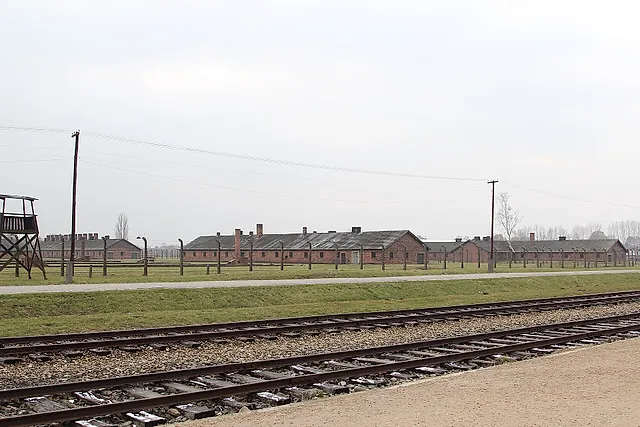
Birkenau, also called Auschwitz II, was the second camp, built about 3.5 km from the first. Work began in 1941, and by 1942 it was in use as a place of extermination. From the spring of 1942 the mass murder of Jews took place there. From 1942 the whole complex became the largest of the extermination centres.
Today much of the site is in the open air. A visit involves a good deal of walking. You can read about the practical side in how to prepare for visiting Auschwitz-Birkenau.
How many people were deported and how many were murdered?
These are the figures:
- at least 1.3 million people were deported to the camp;
- about 400,000 of them were registered as prisoners;
- at least 1.1 million people were murdered;
- Jews were 85% of those deported and about 90% of the victims.
Among the victims there were also Poles, Roma and Sinti, and Soviet prisoners of war.
When was the camp liberated?
The Red Army entered the camp on 27 January 1945. About 7,000 prisoners were found alive. The United Nations General Assembly chose the date of the liberation of Auschwitz as International Holocaust Remembrance Day, which is observed every year on 27 January.
How did the Memorial begin?
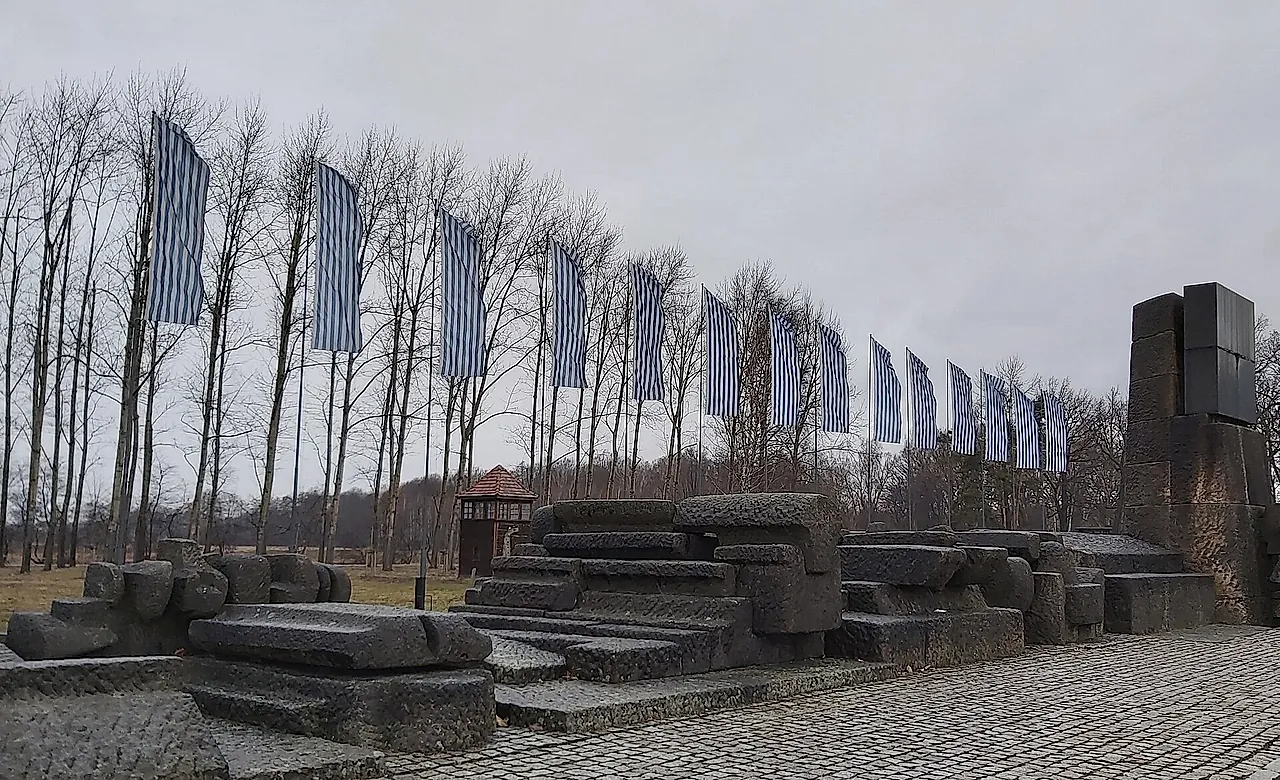
The first exhibition opened on 14 June 1947, on the seventh anniversary of the first transport. In July 1947 the Polish Parliament established the State Museum Auschwitz-Birkenau on the site of the former camp. It is the origin of the Memorial and Museum that visitors enter today.
In 1979 the site was inscribed on the UNESCO World Heritage List. In 2007, at the request of Poland, the name on the list was changed to “Auschwitz-Birkenau. German Nazi Concentration and Extermination Camp (1940-1945)”.
How does this history connect with a visit?
A visit to the Memorial is a way to learn about these events at the place where they happened. The standard guided visit of the Museum starts at Auschwitz I and includes Birkenau, and a guide explains the history as you walk. If you wish to visit from Krakow, our guide to the tours shows the options: which Auschwitz tour from Krakow to choose.
This is an independent guide, and it is not the website of the Museum. The page with the tours is Auschwitz-Birkenau from Krakow.